


Requesting customer feedback doesn’t have to feel salesy or forced. This guide shares 12 effective, low-pressure methods with real scripts, optimal timing advice, and channel suggestions. You’ll discover how thoughtful review requests strengthen trust, enhance online reputation, and improve local search presence — while staying authentic.
Why requesting reviews can feel uncomfortable (and why it’s worth it)
Business owners often worry about seeming needy or intrusive. But honest online reviews are powerful: they build credibility (most people check them first), boost local rankings, and highlight great customer service. The key difference lies in approach — pushy requests focus on the business, while helpful ones emphasize value for other customers.
Key guidelines: what to avoid in review requests
Stick to these to keep things ethical and effective:
- Never provide rewards tied to star ratings or specific feedback (breaks platform rules).
- Avoid selecting only satisfied customers — this is review gating and harms credibility.
- Skip repeated messages or aggressive follow-ups.
- Don’t make public demands in front of others.
Important: Comply fully with Google, Yelp, and similar platform guidelines. Steer clear of review gating practices that filter feedback unfairly.
Perfect timing: when customers are most likely to respond
Request feedback when satisfaction is fresh and strong.
- Immediately following a successful outcome or positive experience.
- Shortly after fixing a problem (converts okay experiences into good ones).
- Following a second purchase or ongoing use.
- Post-delivery or after initial setup. Allow 1–3 days for tangible products/services so customers can form opinions. Limit follow-ups to one polite nudge after 3–7 days.
12 practical ways to request reviews naturally
- Request a review right after a positive highlight. Capitalize on peak satisfaction. “We’re thrilled things went so well! If you have a quick moment, sharing your thoughts would really help others.”
- Frame the request as support for fellow customers. Shift focus outward. “Your insights could assist someone else considering [service]. Would you be open to a brief share?”
- Provide frictionless access with direct links. Include a short, clickable path to the review page.
- Choose SMS for quick, casual outreach. Great for immediate post-interaction (high read rates).
- Leverage email for added warmth and explanation. Allows personalization and context on why input matters.
- Go verbal in person during a good moment. Feels warm and conversational.
- Incorporate QR codes on physical touchpoints. Receipts, business cards, or product inserts for instant scanning.
- Weave requests into appreciation notes. Pairs naturally with thanks for a smooth experience.
- Offer one soft reminder if needed. Polite single check-in, never more.
- Seek detailed thoughts instead of ratings. “What part stood out to you most?” encourages genuine input.
- Respond thoughtfully on social channels. For positive mentions: “So happy you enjoyed it! Feel like adding that to Google?”
- Follow up after turning around an issue. “Thanks for your patience — if things feel better now, your update would be valuable.”
Ready-to-use scripts by channel
SMS scripts
- “Hi [Name], thanks for coming in! Loving your [item/service]? A quick review would mean a lot: [short link]”
- “Hey [Name], glad we sorted that out. If you’re pleased, mind sharing here? [link] Appreciate it!”
- “Thanks again [Name]! Your take helps others — drop a line? [link]”
Email scripts
- Subject: Thanks for choosing us, [Name]! “We hope everything’s going great. Your honest opinion guides others and helps us grow. Takes just a minute: [Review Link]. Thank you!”
- Subject: How was your experience with us? “Hi [Name], thrilled we could assist with [detail]. If it was positive, we’d value your quick thoughts here: [link].”
- Subject: A small favor if you have time “Thanks for your trust, [Name]. Sharing what you liked would help fellow customers decide. Easy link: [link].”
In-person scripts
- “Really glad you’re happy with how it turned out! If you get a chance later, a quick review would be awesome.”
- “We appreciate you stopping by. Sharing your experience online helps a ton if you’re up for it.”
- “Thanks for the great feedback just now — mind putting that into a Google review sometime?”
Post-service / receipt scripts
- Printed/insert: “Enjoyed your time here? Scan the QR to tell us — thanks a bunch!”
- “Your thoughts count! If satisfied, share here: [QR/link].”
Choosing the right channel for different situations
| Channel | Ideal timing | Example phrase snippet | Advantages | Potential downsides |
| SMS | Post-service or delivery | “Hope you’re happy! Quick share? [link]” | Fast opens, mobile-friendly | Needs consent, risk of intrusion |
| 1–3 days after interaction | “We’d love your thoughts — link here” | Room for detail, branding | May land in promotions | |
| In-person | End of satisfying visit | “Glad it went well! Review later?” | Builds personal connection | Relies on staff delivery |
| QR code | Checkout, packaging, receipts | “Scan to review — appreciate it!” | Effortless, no typing | Placement must be obvious |
| Follow-up | 3–7 days after first ask | “Checking if you saw this — [link]” | Increases completions | Can annoy if mistimed |
Next steps after receiving a review
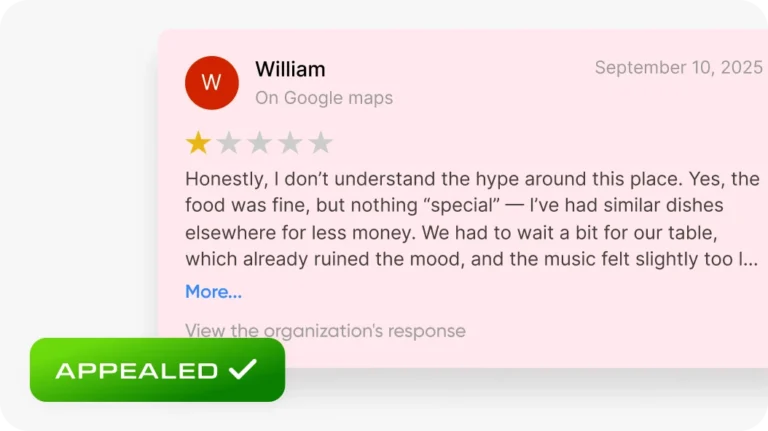
Reply to all feedback promptly. Express genuine thanks for positives. Handle negatives professionally: acknowledge, apologize where appropriate, suggest private follow-up. Avoid debates online. Monitor recurring themes in customer input to refine offerings. Steady, thoughtful responses reinforce reliability.
How ORM Service streamlines review handling for teams
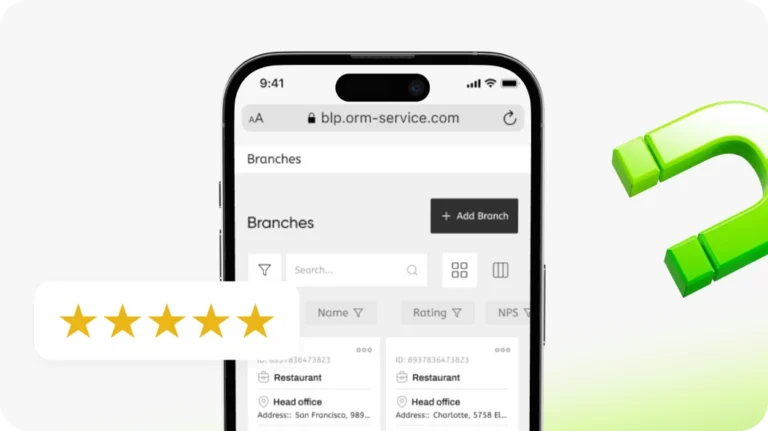
Managing feedback across platforms gets overwhelming quickly. ORM Service offers a single dashboard covering Google, Yelp, Facebook, and more. It delivers real-time alerts for incoming reviews. Built-in workflows simplify response organization. All replies remain human-written and aligned with your brand tone. Reputation analytics reveal effective channels, timing, and trends. Multi-location teams maintain uniform quality and oversight. This setup transforms scattered efforts into a reliable system.
Want to explore how it works hands-on? Request a demo.
Frequent errors that turn requests into pressure
- Bombarding with multiple reminders.
- Sending linkless or unclear messages.
- Timing poorly (during issues or too soon).
- Employing demanding language like “Please review now!”
- Failing to engage with received feedback.
Wrapping up
Pick 2–3 methods and timings that suit your operations. Establish a straightforward routine for requests, replies, and insights. Genuine, consistent efforts lead to more positive reviews and a stronger online presence over time.
 Boost Your Reputation Now!