

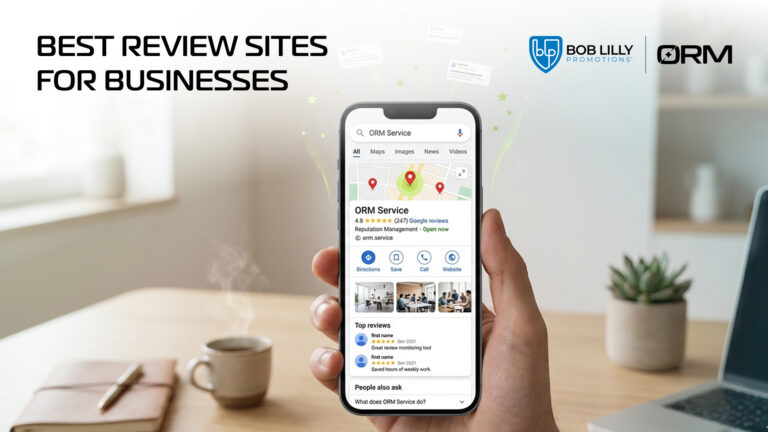
Customer feedback now travels faster than any ad campaign. Before a shopper books a hotel or hires a plumber, they read what other people wrote online. This guide walks through the best review sites and websites that matter most for businesses in the USA, how to pick the right ones, and what to do once you claim a profile.
Why online business reviews shape buying decisions
Most buyers trust strangers online almost as much as a friend’s recommendation. A steady stream of recent online reviews tells a prospect that a company is active, responsive, and worth the risk of a first purchase. When the reviews are missing or stale, that prospect often moves to a competitor whose page looks alive.
Search visibility is the second reason to care. Google and other engines pull rating signals into local results, so a business with strong online feedback tends to rank higher and earn more clicks. In most cases the effect compounds: more visibility brings more customers, and more customers leave more reviews. The reverse is also true, which is why a few ignored complaints can quietly drag down revenue.
How to choose the right review sites for businesses
No company needs a presence on every platform. The goal is to find the handful of sites where your customers already spend time and where a good rating actually moves the needle. Three filters help narrow the list.
Picking well saves effort later. A profile you claim but never manage can hurt more than help, since it collects complaints without any reply from you.
Audience match and platform reach
Start with where your buyers look. A regional restaurant lives or dies on Google and Yelp, while a software vendor will never see those buyers compare notes there. Check which sites already show results when you search your own company name, and ask a few recent customers where they tend to read reviews before they buy.
Reach matters too. A site with millions of monthly visitors gives each review more weight in search than a small forum, even if the small forum feels closer to your niche.
Industry relevance and vertical fit
General platforms cover everyone, but vertical sites carry more authority inside their lane. Travelers trust hospitality-focused websites; buyers of business tools trust software directories. A single review on the right vertical site can outweigh several on a generic one because the audience arrives ready to act.
Map your industry to its dedicated platforms before spreading thin. In most cases two or three well-chosen sites cover the bulk of serious buyers.
Cost: free vs paid review companies online
Many of the most valuable platforms cost nothing to claim. Google Business Profile, Facebook, and Bing Places all let a company set up a listing and gather free customer reviews without a subscription. These belong at the top of any list because the return is high and the price is zero.
Paid tiers exist on several review companies online, usually bundling analytics, review invitations, and widgets that display feedback on your own website. They can be worth it once volume grows, but few small businesses need them on day one.
Top general-purpose business review websites
These platforms reach a broad audience across almost every sector. For most companies, a presence here forms the foundation before any niche work begins.
Each one rewards a claimed, complete profile. Filling in hours, photos, and a description gives both customers and search engines more to work with.
Google Business Profile
Google is the default first stop for local search, and its reviews appear directly in Maps and the main results page. Claiming the profile is free, and the rating shown next to your name often decides whether a searcher clicks you or the listing below. Responding to reviews here signals attention to anyone reading.
Because the profile feeds search ranking, it tends to deliver the widest reach of any single platform. A business that ignores everything else should still manage this one.
Trustpilot
Trustpilot has grown into a widely recognized destination for company reviews, especially among online retailers and service providers. Customers can read and write reviews openly, and the platform offers tools to invite feedback after a purchase. Many shoppers check it specifically before trusting an unfamiliar brand.
The site works on a freemium model. A basic profile is free to claim, while paid plans add invitation automation and widgets you can place on your own website.
Better Business Bureau
The BBB carries a long history in the USA and remains a trust signal for cautious buyers, particularly older customers and anyone vetting a contractor or financial service. Its letter-grade rating and complaint-resolution record sit alongside customer reviews on each profile.
Accreditation is paid, but a basic listing and the ability to respond to complaints come at no cost. For some industries the BBB badge still carries real weight.
Industry-specific business reviews sites
Vertical platforms reach buyers at the moment they compare options inside one category. A strong showing here often matters more than the same effort spread across general sites.
The right vertical depends entirely on what you sell. Below are three of the most established by sector.
Yelp for local services
Yelp remains a major force for restaurants, salons, repair shops, and other local services. Its users tend to write detailed reviews and check the site specifically when choosing among nearby options. A claimed profile lets a business add photos, hours, and replies.
Yelp’s review filter can hide feedback it deems unreliable, so steady, organic reviews work better here than any short-term push.
TripAdvisor for hospitality
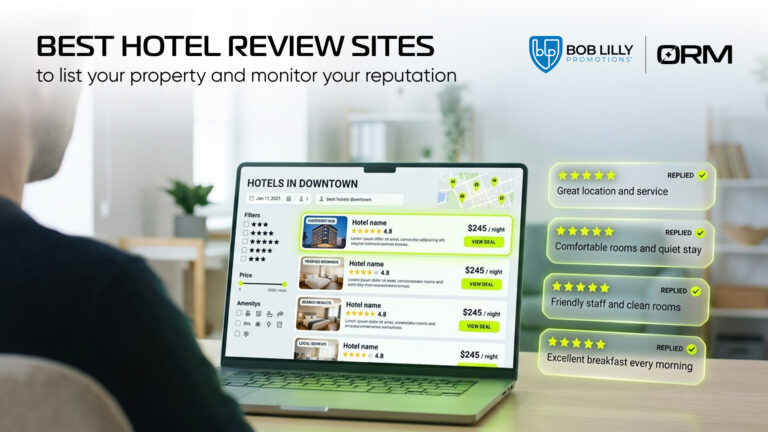
Hotels, tour operators, and many restaurants depend on TripAdvisor, where travelers plan trips and book stays. A high ranking on the site can fill rooms during slow seasons. Photos and prompt responses to guest feedback both influence placement.
Because travelers often read dozens of reviews before booking, volume and recency carry extra weight in this vertical.
G2 and Capterra for B2B software
Buyers of business software compare products on G2 and Capterra long before they contact sales. Detailed reviews, feature breakdowns, and category rankings shape shortlists. A vendor with verified reviews and a complete profile earns more demo requests.
Both sites let companies claim a profile for free and gather feedback, with paid options for lead generation and richer placement.
Free business review sites worth claiming first
Spend nothing before you spend anything. The platforms below let any company build credibility without a budget, which makes them the natural starting point.
Claiming each listing also protects your name. An unclaimed profile can still collect reviews you never see, so taking control early matters.
Facebook Recommendations
Facebook lets customers recommend a business and leave comments that friends can see, which spreads through personal networks. For companies whose buyers already use the platform daily, a business page with recommendations turned on adds easy social proof.
Replies are public, so handling a complaint well here can win over everyone who reads the exchange later.
Bing Places and Apple Maps
Bing Places and Apple Maps reach the searchers who never touch Google. Both are free to claim, and both feed the map results on their respective devices and browsers. A few minutes spent verifying a listing keeps your hours and address accurate across more places.
These sites rarely drive the most traffic, but the effort is small and the listings improve overall visibility.
Niche feedback websites
Beyond the big names sit smaller, sector-specific feedback websites: industry directories, regional guides, and specialist forums. A single listing on the right niche site can reach buyers no general platform touches.
Search your category plus the word reviews to find them. In most cases a short list emerges quickly, and claiming the relevant ones takes little time.
How to collect more website customer reviews
The simplest way to get more reviews is to ask. A short message after a purchase, sent by email or text, lifts response rates far more than waiting for customers to act on their own. Time the request for the moment satisfaction peaks, usually right after delivery or a completed service.
Make the path frictionless. A direct link to your chosen profile, ideally one that opens in guest mode so the customer need not sign in, removes the main excuse for skipping. Some businesses add a small card at checkout or a follow-up in the receipt. Whatever the channel, keep the ask genuine and never offer payment for a positive rating, since most platforms ban it and customers notice.
Managing your reputation across review platforms
Collecting reviews is only half the job. Reading and responding to them across every platform turns scattered feedback into a working reputation. A prompt, calm reply to a negative review often impresses future readers more than the complaint itself, because it shows how the company handles problems.
The trouble starts when a business scales. One profile is easy to watch; a dozen across Google, Yelp, Trustpilot, app stores, and industry sites is a different job, and reviews pile up faster than any single owner can answer them by hand. This is the point where a dedicated reputation service tends to pay off. ORM Service consolidate monitoring, responses, and reporting from every platform into one workflow, so feedback gets answered on time instead of slipping through the cracks. In-house or outsourced, the principle holds: someone has to own the reviews, every week.
Common mistakes businesses make with review sites
The most common error is treating reviews as a one-time setup. Owners claim a profile, gather a handful of reviews, then walk away, letting the page age while competitors keep collecting. A stale profile reads as a closed business to many buyers.
Two other mistakes show up often. Some companies argue with critics in public replies, which drives away readers far more effectively than the original complaint. Others chase fake or paid reviews, a shortcut that platforms detect and punish, sometimes by hiding every review on the profile. The reliable path is slower and plainer: do good work, ask happy customers to share it, and answer everyone with the same respect.
 Boost Your Reputation Now!