Most travelers decide whether to book a hotel before they ever reach its website. They read reviews on Booking.com, check the star rating on Google, look through recent guest photos, and only then click further. Hotel reputation management is the work of shaping what they find at that moment: gathering feedback, responding to it, and fixing the problems it points to. Done consistently, it helps hoteliers convert undecided lookers into confirmed bookings.
What hotel reputation management really means
The term covers more than replying to reviews. In practice it is a cycle with three parts: you monitor what guests write across portals and social channels, respond in a way that protects the brand, and feed what you learn back into operations. Remove any one part and the cycle stalls. A hotel that answers every review but never fixes the broken air conditioning is managing appearances, not reputation.
The scope is also wider than review sites. A property’s online reputation includes its Google Business Profile, comments under social posts, mentions on travel forums, and the scores shown inside booking apps. Each surface influences a different stage of the guest journey, so they have to be managed together rather than one by one.
Why online reputation drives hotel bookings
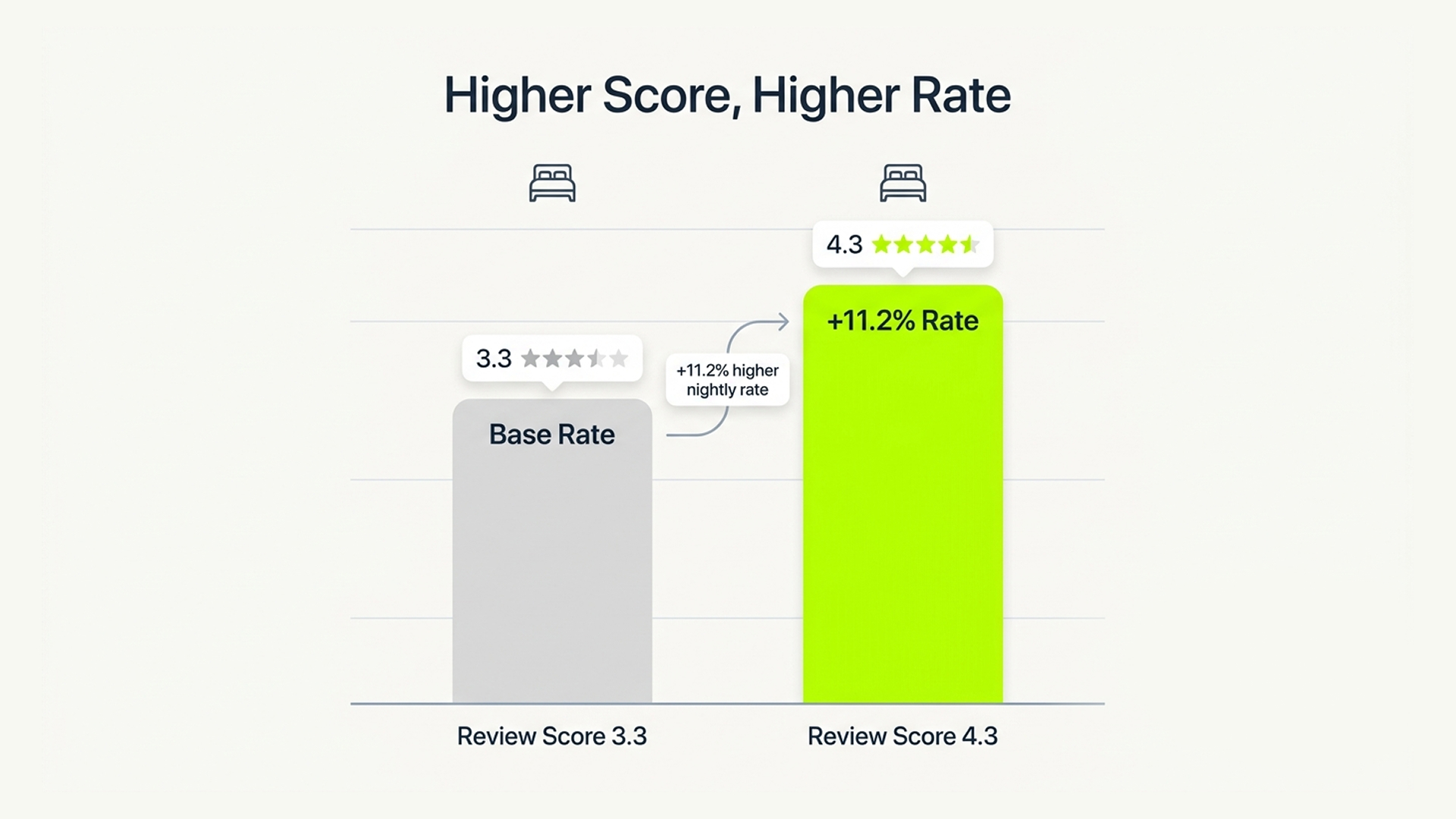
Reviews move revenue directly. Cornell’s Center for Hospitality Research found that a one-point gain on a five-point review scale lets a hotel raise prices by 11.2 percent without losing occupancy. The reverse holds too: a slipping score pushes a property into discounts that quietly erode margin.
Visibility depends on reputation as well. Google and the large booking platforms typically weigh how high a property scores and how fresh its reviews are when ranking results. A hotel that keeps collecting new feedback simply gets seen more often.
And there is a trust effect no ad budget replaces. Travelers treat other guests’ words as more credible than a hotel’s own marketing. A calm, specific reply to a harsh complaint is often read by hundreds of prospective guests who will never write a review themselves; for them, the reply is the message.
Core strategies to build guest trust
The strategies that work rest on routine, not heroics. Properties that hold high scores year after year treat guest feedback as a daily operational task, with the same discipline they apply to housekeeping or revenue management.
Three habits carry most of the weight.
Monitoring reviews across portals and social channels
Manual monitoring breaks down quickly. Even a mid-sized hotel collects feedback on a dozen platforms, and a complaint left unanswered for a week reads as indifference. The channels worth checking daily usually include:
- Google Business Profile, often the largest single source of reviews and a direct factor in local search;
- major booking portals such as Booking.com, Expedia, and Agoda;
- Tripadvisor and the regional travel sites relevant to your market;
- social networks where guests tag the property in posts and stories.
Centralized monitoring tools pull these streams into one inbox and flag urgent cases. The same dashboard shows how sentiment shifts over time, and for teams of any size that single view is what separates reacting in hours from reacting in weeks.
Responding to negative and positive feedback
Negative reviews deserve the fastest and most careful answers. A working format: thank the guest, name the specific failure, explain what has been fixed, and move further discussion to a private channel. Never argue in public, and never paste the same template under every complaint; future guests read replies in sequence and notice repetition immediately.
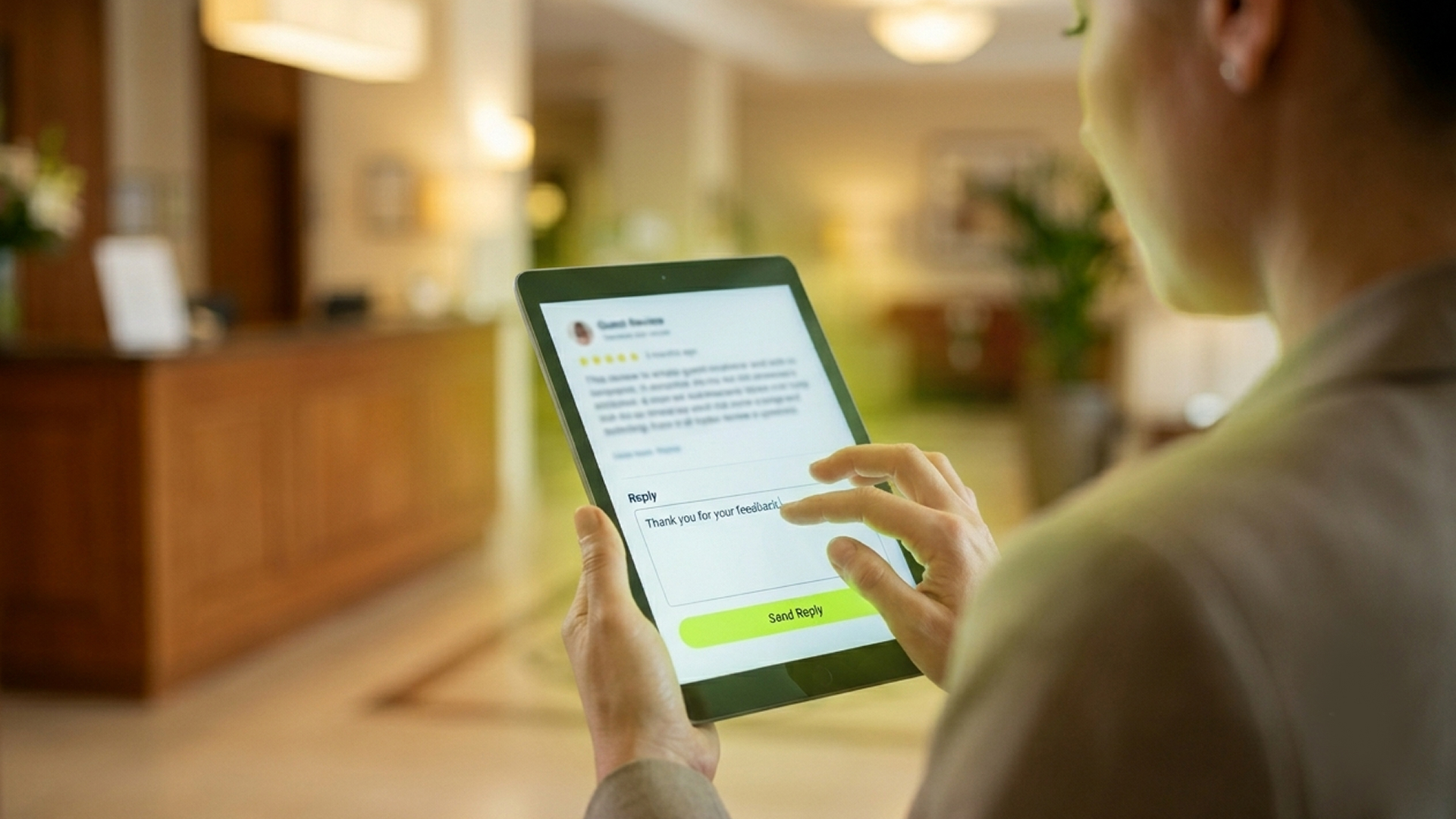
Positive reviews need replies too, just shorter ones. A two-line thank-you that mentions a detail from the stay shows a real person read the text. It also nudges happy guests to return and to recommend the hotel to others.
Turning insights into operational improvements
Reviews are unpaid audit data, and the insights only matter if someone acts on them. Tag every comment by theme: check-in speed, cleanliness, breakfast, noise. When one theme keeps recurring, the problem is operational, not reputational, and no polite reply will fix it.
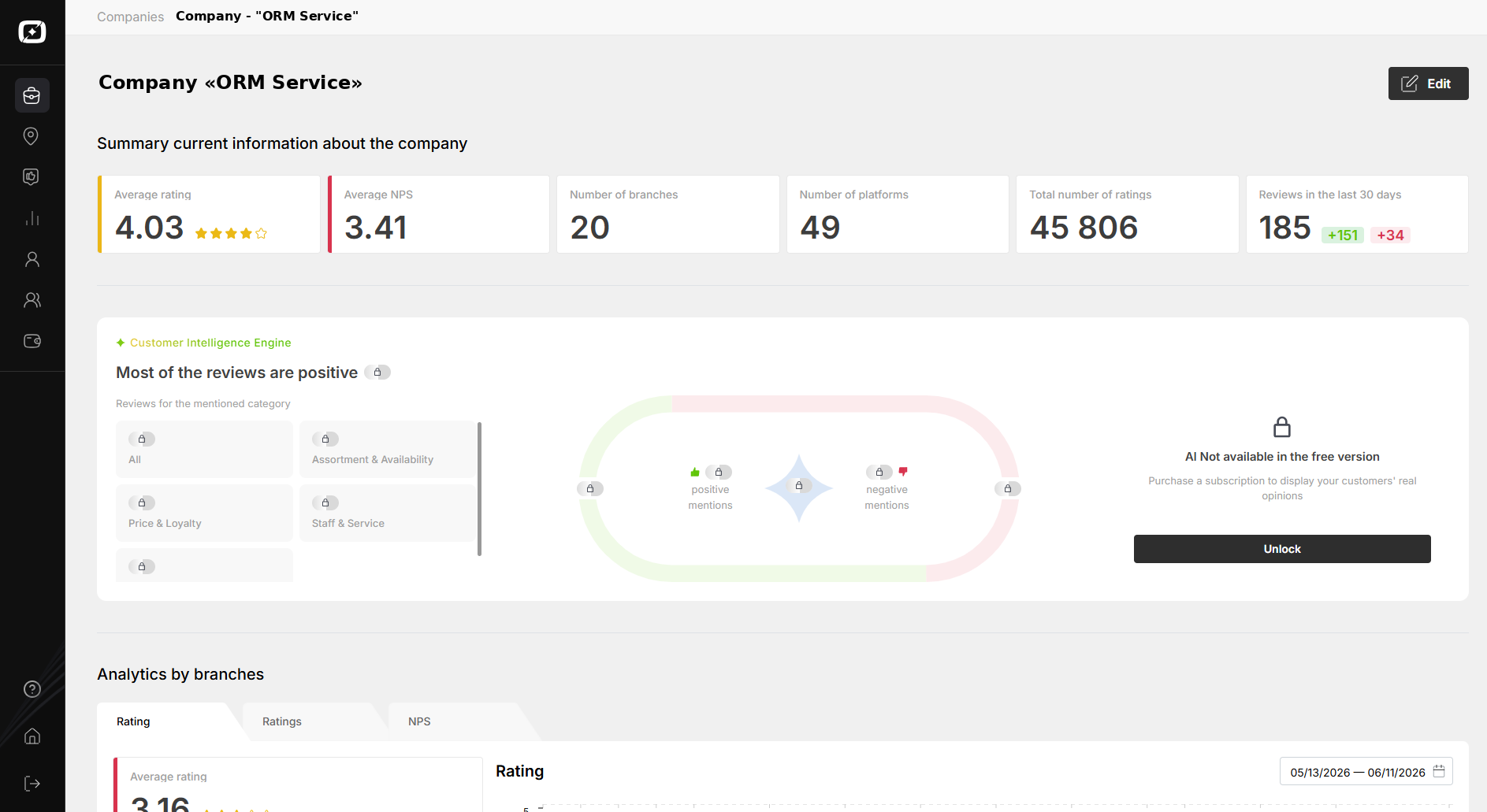
Tagging by hand works at low volume; past a few hundred reviews it becomes machine work, and this is where a platform pays for itself. ORM Service, for example, runs every incoming review through AI that pulls out each positive and negative mention and sorts them into about fifteen categories with subcategories, from staff and service to price and loyalty, so management sees on one chart where guests are happy and where the operation leaks. The same dashboard carries the rest of the routine this article describes: reviews from Google, Booking.com, Tripadvisor, Expedia, Airbnb, and other platforms land in one dashboard, and a benchmarking view sets your scores against competing properties. Reviews that break platform rules are flagged and disputed by the team, not left for the front desk to argue about.
Close the loop with staff. Share recurring complaints in weekly meetings and assign an owner to each fix. Then watch whether the theme fades from new reviews over the following quarter; scores tend to improve within months once guests notice the change.
Common mistakes and best practices in hotel review management
Review management fails in predictable ways, and the failures look much the same whether the property has twenty rooms or two thousand.
Mistakes hoteliers repeat across property sizes
The most common errors at all property sizes: ignoring positive feedback, copy-pasting identical replies, arguing with guests in public, and leaving reviews unanswered during high season, which is exactly when most of them arrive.
Buying fake reviews sits in a category of its own. Platforms detect purchased ratings more reliably each year, and the penalties, from ranking drops to delisting, routinely cost far more than the temporary score bump was worth.
Best practices used by leading hotel companies
Large hotel companies tend to standardize three things. They set response-time targets, commonly 24 to 72 hours. They keep replies at property level but check them centrally, so answers stay personal without drifting off-brand. And they ask for reviews at the right moment, usually a day after checkout, when impressions are fresh and irritation over small issues has faded.
Many also tie review scores to management performance. When a general manager’s quarterly goals include the property’s rating, guest feedback stops being a marketing concern and becomes an operational one.
When to bring in hotel reputation management services
External services make sense in a few situations: review volume has outgrown the front office, the portfolio spans several properties, the score has stayed flat for a year despite real improvements, or the hotel faces a public incident that needs careful handling.
The trade-off is voice. An agency can monitor and respond at scale, but replies written far from the front desk can sound generic. The arrangement works when the hotel supplies context and detail, and the partner supplies process and speed.
The market ranges from enterprise suites to lightweight single-purpose solutions, and most products now use AI for sentiment tagging and reply drafts. The label matters less than the fit. Before comparing vendors, write down how many reviews you receive monthly, which portals matter in your market, and who on the team will open the dashboard every day.
A practical checklist for evaluation:
- coverage of the portals and social channels your guests actually use;
- intelligent sentiment analysis that tags themes, not just positive or negative;
- alerts and task assignment, so a complaint becomes someone’s job within minutes;
- integration with your PMS or CRM to match reviews with stay data;
- reporting a general manager can read in five minutes.
Shortlist two or three vendors and load a quarter of real guest feedback into each trial. Judge the results, not the demo. The right solution is the one your team still opens every morning six months later. Reputation work compounds slowly: a steady increase in score, more direct bookings, fewer discounts needed to fill rooms. Hotels that treat it as a permanent process rather than a campaign are the ones guests learn to trust before they walk in.



