
Healthcare Reputation Management That Builds Patient Trust
Patients Check Reviews Before They Check Your Availability

From solo practices to multi-location groups.
One location or fifty, the playbook scales.

Every platform patients check before they book.
Google, Yelp, Facebook and more — all in one dashboard.

More positive reviews. Faster replies. Stronger local ranking.
The metrics that fill your schedule.
Platform & Services
A real-time dashboard plus a real team behind every account. See your reviews and let us handle the work.
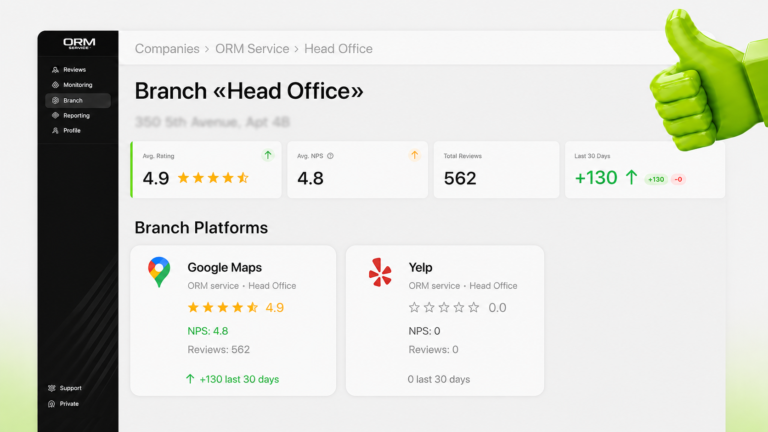
CENTRALIZED DASHBOARD
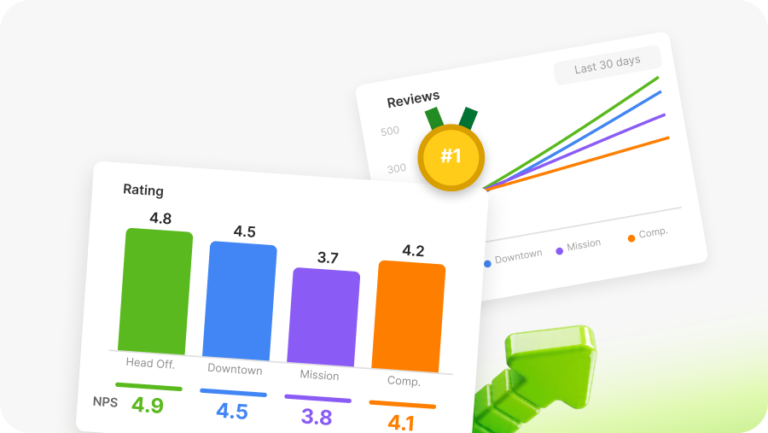
BENCHMARKING
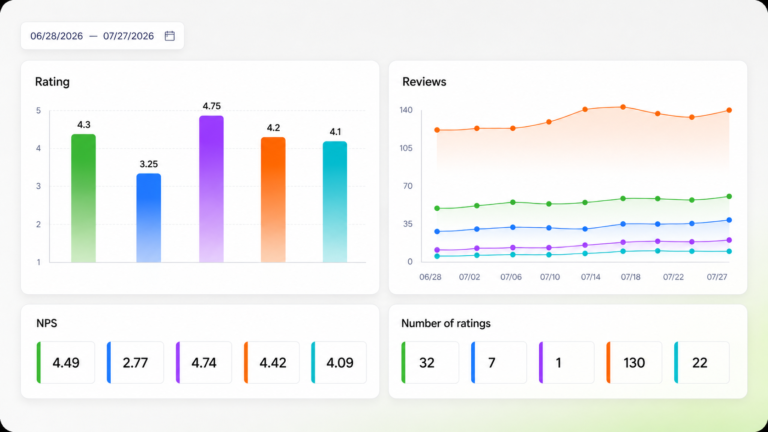
RATING TRENDS
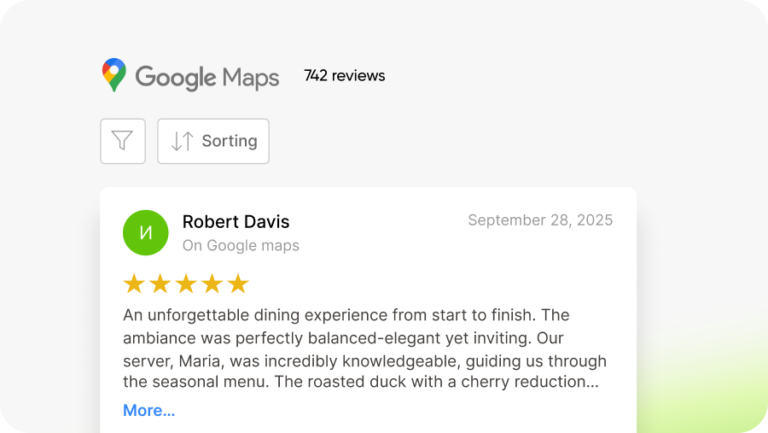
REVIEW MANAGEMENT
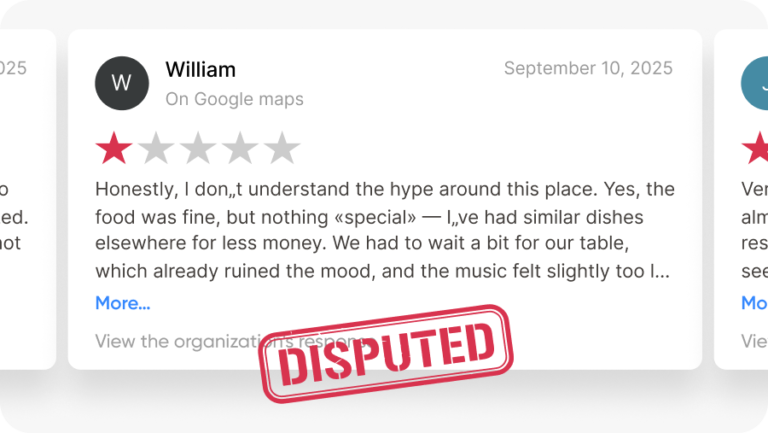
DISPUTING NEGATIVE REVIEWS
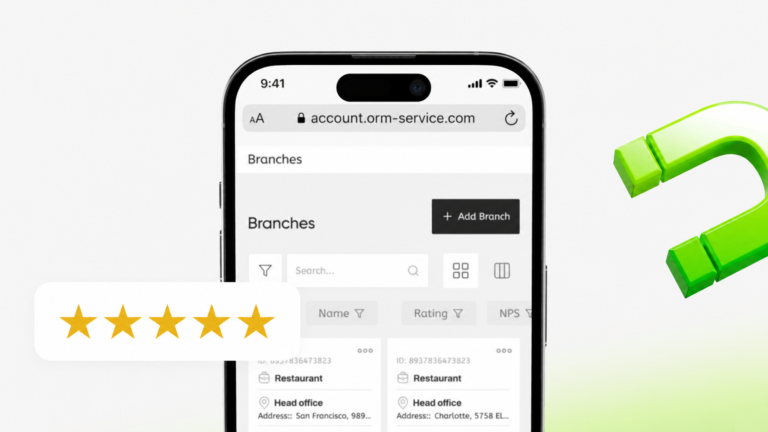
GATHERING POSITIVE REVIEWS
See it run on your practice's reviews
Frequently Asked Questions
We flag and dispute reviews that break platform rules: reviews from non-patients, competitors or former employees, reviews about another practice, and reviews with abusive language or personal information. Platforms make the final decision, and we document each case to give it the best chance.
Target response time depends on your plan: 24–48 hours on Starter, 4–12 hours on Growth and 2–4 hours on Enterprise.
Yes. You can start with a 48-hour free trial: share your phone number and we’ll send you everything you need to get started.
No contract and no setup fee. Plans are month-to-month, and you get 15% off if you choose to pay annually.
Yes. Every location gets its own dashboard view and QR code, and you can assign different plans to different locations and change them as your needs evolve.
About Healthcare Reputation Management
What is healthcare reputation management?
Healthcare reputation management is the ongoing work of monitoring what patients say about your practice online, replying to it, correcting what is false, and making sure the patients who had a good experience say so too. It covers your Google Business Profile, Yelp, Facebook and the other review sites patients check before they call.
For a dental office, a dermatology clinic or a multi-location urgent care group, it is less about marketing and more about access: if a patient never calls because of what they read, they never get the care you offer.
Why reviews hit practices harder than other businesses
A restaurant can recover from a bad night. A practice usually has fewer reviews to begin with, and each one carries more weight. Patients are choosing someone to trust with their health, so they read carefully, and they read the negative reviews first.
Three things make healthcare different:
- Low review volume. Most practices see patients who are happy but never think to post. A handful of unhappy reviews can define the rating for years.
- Emotional topics. Billing surprises, wait times and a bad outcome are personal. Reviews about them are long, detailed and persuasive to the next reader.
- You cannot argue back. A restaurant owner can explain what went wrong with an order. A doctor cannot discuss a patient’s visit in public. That limits the reply and makes it harder to get right.
Most negative reviews are not about the medicine
Read through the one- and two-star reviews of almost any practice and a pattern shows up. Very few complain about the diagnosis or the treatment. Most are about what happened around it: a long wait in the lobby, a phone that nobody answered, a bill that was higher than expected, a front desk that seemed rushed.
That is good news, because those problems are fixable, and reviews are the cheapest way to find them. When every review lands in one place, you can see that the Tuesday afternoon schedule at one office keeps producing wait-time complaints, or that billing questions spike after a change in insurance processing. Monitoring is not only about protecting the rating. It is a running report on the patient experience that your team can act on.
It also changes how you reply. A patient who complained about a 50-minute wait wants to know that someone read it. A short, specific acknowledgment and an invitation to talk to the practice manager often turns a public complaint into a private conversation, and sometimes into an updated review.
How to reply to patient reviews without saying too much
Replies to patient reviews need more care than in any other industry. A reply that confirms someone was a patient, mentions their treatment or “corrects the record” with details from their visit can disclose protected health information. The HHS Office for Civil Rights has fined practices for this kind of reply to online reviews.
A safe reply does three things without touching the visit itself:
- Thanks the reviewer or acknowledges the concern in general terms.
- States the practice’s standard (“We take scheduling concerns seriously”).
- Moves the conversation offline with a phone number or email for the practice manager.
The goal is to show every future patient who reads the review that the practice listens, without discussing anyone’s care in public.
Fake and unfair reviews: what can actually be removed
Not every negative review can be taken down, and no honest provider will promise otherwise. But review platforms do remove reviews that break their own rules, for example:
- reviews from people who were never patients, including competitors and former employees;
- reviews about a different practice or location with a similar name;
- reviews with hate speech, threats or personal information;
- duplicate reviews posted from several accounts by the same person.
The work is in documenting the violation and filing the dispute in the format each platform expects, then following up. ORM Service handles the flagging, documentation and escalation for you. Plans include a set number of removal attempts per location each month, from 3 on Starter to unlimited on Enterprise.
Getting more reviews from happy patients
The fastest way to dilute an unfair review is to have more fair ones. Most satisfied patients will leave a review if you make it easy and ask at the right moment.
ORM Service gives every location its own QR code and sends automated review requests after the visit. Patients rate their experience and are invited to share it on the platform of their choice — Google, Facebook and other sites where reviews count.
What ORM Service does for healthcare practices
ORM Service is a done-for-you service: a dashboard plus a team that does the work.
- Monitoring. Every review from every platform in one dashboard, 24/7, with monthly analytics (weekly on Enterprise).
- Replies. Our team replies to reviews in your practice’s voice. Target response times are 24–48 hours on Starter, 4–12 hours on Growth and 2–4 hours on Enterprise.
- Disputes. Fake review flagging, policy-violation documentation and removal requests.
- Review requests. QR codes for each location and automated requests, up to 100 per location per month on Starter, 250 on Growth and unlimited on Enterprise.
- Benchmarking. See how each location’s rating compares with nearby practices and with your other offices.
- A personal manager who knows your practice and reports on progress.
Plans start at $299 per location per month, with no setup fee and month-to-month terms.
Which practices need it, and when it becomes urgent
Healthcare reputation management helps any practice that gets new patients from search: dental and orthodontic offices, dermatology and med spas, chiropractic and physical therapy, primary and urgent care, specialists and multi-location groups.
It becomes urgent when:
- your Google rating drops below the practices around you;
- a wave of negative reviews follows a staff change, a billing issue or a single bad day;
- you open a new location that has no reviews yet;
- you find reviews that are clearly fake or about someone else;
- nobody on staff has time to reply, so reviews sit unanswered for weeks.
The earlier you start, the easier it is: a steady flow of reviews and quick, careful replies protect a rating far better than cleanup after the damage is done.
How your rating connects to new patient bookings
For most practices, the path to a new patient starts with a search like “dentist near me” or “dermatologist in [city]”. Google answers with a map and three practices. Rating, number of reviews and how recent they are all affect which practices make that list and which one gets the call.
That makes your review profile part of your front door. A practice with a 4.7 rating and recent reviews looks active and trusted. A practice with a 3.9 rating and the last review from two years ago looks like a risk, even if the care is excellent. Patients rarely scroll past the first few results, so the difference shows up directly in calls and online bookings.
Reputation management will not replace good care or a well-run front desk. What it does is make sure the experience you actually deliver is what patients see when they search, and that one bad week does not cost you months of new patients.

 Boost Your Reputation Now!